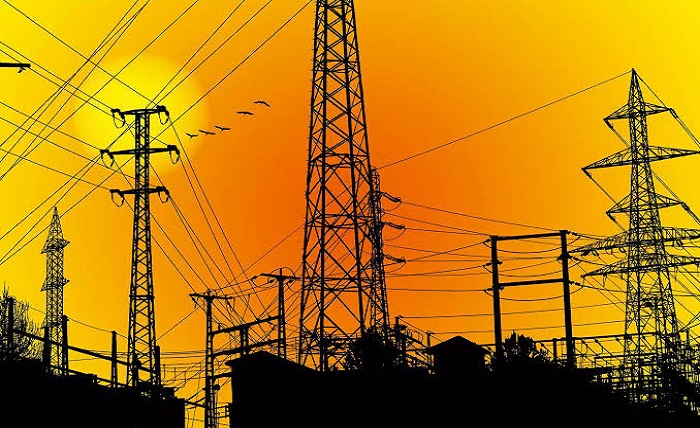
The journey towards universal electrification in India represents one of the most ambitious infrastructure undertakings in modern history. At the heart of this transformation lies the vision of Har Ghar Bijli, a concept that transcends mere infrastructure development to embody the promise of dignity, opportunity, and progress. When we speak of Har Ghar Bijli, we are not just talking about connecting wires and installing meters; we are discussing the fundamental right of every citizen to access reliable power. This mission ensures that the last mile of connectivity reaches the most remote villages and the poorest households. The National Democratic Alliance (NDA) government, led by Prime Minister Narendra Modi, prioritized this vision, recognizing that without electricity, other developmental goals remain unattainable. The slogan became a rallying cry for a new India, one where darkness is replaced by the light of opportunity. The significance of Har Ghar Bijli lies in its ability to bridge the urban-rural divide, ensuring that a child in a distant hamlet can study at night just as easily as a child in a metropolitan city. Ultimately, the success of Har Ghar Bijli is measured not just in statistics, but in the improved quality of life it brings to millions.
The Genesis of a Mission: From Saubhagya to Universal Access
The formal structure of Har Ghar Bijli gained momentum with the launch of the Pradhan Mantri Sahaj Bijli Har Ghar Yojana, commonly known as Saubhagya, in September 2017. This flagship scheme was designed to achieve universal household electrification by providing last-mile connectivity to all un-electrified households in the country. The mission was clear: to ensure that no household is left in the dark. Under the ambit of Har Ghar Bijli, the government sanctioned significant funds to procure equipment like transformers, cables, and meters, specifically targeting rural and peri-urban areas. The scheme distinguished itself by providing free electricity connections to poor households, thereby removing the financial barrier that often prevents families from seeking legal connections. Before the implementation of this robust plan, many households relied on hazardous kerosene lamps or illegal hook lines. The Saubhagya portal was established to monitor the progress of Har Ghar Bijli in real-time, ensuring transparency and accountability. This digital tracking allowed policymakers to identify lagging districts and deploy resources effectively. Ultimately, the genesis of this mission was rooted in the understanding that economic growth and social equity are intrinsically linked to reliable power access.
The Rural Revolution: Illuminating Villages and Transforming Lives
The most profound impact of Har Ghar Bijli has been witnessed in the rural heartlands of India. For decades, villagers accepted power cuts as a way of life, often celebrating the arrival of a few hours of electricity as a luxury. The advent of Har Ghar Bijli changed this narrative permanently. It ensured that villages, even those located in the challenging terrains of the North-East or the deserts of Rajasthan, were brought into the national grid. With the implementation of Har Ghar Bijli, rural schools could now operate computers, and primary health centers could preserve life-saving vaccines. Furthermore, this initiative empowered women, who often bore the brunt of energy poverty by spending hours gathering firewood or cooking in smoky kitchens. The success of Har Ghar Bijli also spurred economic activities at the grassroots level; small businesses and micro-enterprises could now extend their working hours, increasing their income. The transition from darkness to light involved rigorous engineering surveys and the deployment of local manpower, which in turn created employment opportunities. The psychological shift was equally significant, as residents finally felt recognized and included in the nation’s progress narrative.
Beyond Light: Economic Empowerment Through Har Ghar Bijli
While the primary goal of Har Ghar Bijli is to provide illumination, its secondary effects on the economy are staggering. Access to consistent power allows small-scale industries, such as welding shops, flour mills, and textile units, to operate efficiently. The reliability offered by Har Ghar Bijli reduces the dependency on expensive and polluting diesel generators, thereby cutting operational costs for businesses. In rural areas, agricultural productivity has seen a notable boost due to the availability of power for irrigation pumps, ensuring that farmers can water their crops without relying on erratic state board schedules. The ripple effect of Har Ghar Bijli is visible in the digital economy as well, as better connectivity encourages the establishment of internet cafes and digital service centers. Moreover, households saved significant expenditure on kerosene, which could be redirected towards education and health. The drive for Har Ghar Bijli also encouraged the adoption of energy-efficient appliances, as consumers became more aware of their consumption patterns. The manufacturing sector, particularly the electrical goods industry, experienced a surge in demand, creating a positive feedback loop for industrial growth.
Sustainability and Green Energy: The Future of Har Ghar Bijli
As the nation progresses, the conversation surrounding Har Ghar Bijli is shifting from mere access to sustainable access. The government is increasingly integrating solar energy solutions to meet the demands of Har Ghar Bijli, especially in regions where grid extension is technically challenging or economically unviable. By promoting solar home lighting systems and solar water pumps, the mission is aligning with India’s climate commitments. The focus on renewable energy ensures that Har Ghar Bijli does not come at the cost of environmental degradation. Many states are now implementing net metering policies, allowing households to sell surplus solar power back to the grid, thereby turning consumers into “prosumers.” The evolution of Har Ghar Bijli involves smart metering and demand-side management to reduce transmission losses and ensure that the generated power reaches the end-user efficiently. As India transitions to a cleaner energy mix, the resilience of the power grid improves, ensuring that the lights stay on even during natural calamities. The roadmap for Har Ghar Bijli includes significant investments in battery storage and micro-grids, paving the way for a decentralized yet interconnected energy ecosystem.
Overcoming the Hurdles: Challenges in Achieving Har Ghar Bijli
Despite the monumental success, the path to achieving Har Ghar Bijli has not been without its share of obstacles. The sheer geographical diversity of India presents significant logistical challenges, making it difficult to lay transmission lines in dense forests or mountainous regions. One of the primary issues plaguing the mission of Har Ghar Bijli is the financial viability of power distribution companies, which often struggle to recover costs due to high Aggregate Technical and Commercial (AT&C) losses. In many areas, although the connection is provided under Har Ghar Bijli, the actual usage remains low due to affordability issues, as consumers fear high bills. Theft of electricity and tampering with meters continue to undermine the revenue streams of utilities, threatening the sustainability of the infrastructure built for Har Ghar Bijli. Furthermore, the quality of power—voltage fluctuations and frequent tripping—remains a concern in several rural pockets. Social barriers, such as the lack of awareness about safety and energy conservation, also need to be addressed through sustained education campaigns. Bridging these gaps requires a multi-pronged approach involving policy reforms, community participation, and technological innovation.
The Future Roadmap: A Power-Packed Vision for India
Looking ahead, the vision of Har Ghar Bijli is set to evolve into a more comprehensive and robust framework. The future focuses not just on connectivity but on ensuring a 24×7 quality power supply. The roadmap includes the deployment of smart grids and advanced metering infrastructure, allowing for real-time monitoring and fault detection. As part of the next phase of Har Ghar Bijli, we can expect a massive push towards electric vehicles (EVs) and the creation of a seamless charging network, leveraging the existing grid infrastructure. The integration of Artificial Intelligence (AI) will help predict consumption patterns and optimize load distribution, ensuring that the benefits of Har Ghar Bijli are maximized with minimal wastage. The government aims to increase the share of renewables in the energy mix, ensuring that the power for Har Ghar Bijli is clean and green. Additionally, focus will be placed on skill development to create a workforce capable of managing modern power systems. The journey towards energy independence is long, but the momentum generated by the current policies ensures that the dream of a fully electrified India is not just a political promise but an inevitable reality.
Conclusion
The journey of electrification in India, embodied by the mission of Har Ghar Bijli, is a testament to the nation’s resolve to uplift its citizens through inclusive development. From the remote villages of the North-East to the arid plains of the west, the impact of Har Ghar Bijli is visible in the bright eyes of children studying under LED bulbs and the bustling activity of small businesses that were once dormant. While significant progress has been made, the sustainability of this infrastructure requires a collective effort from citizens and policymakers alike. Har Ghar Bijli is more than a policy; it is a commitment to ensuring that no one is left behind in the march towards a developed nation. By addressing the remaining challenges and embracing green technologies, India is poised to not only meet its current energy demands but also lead the way in sustainable energy practices. In the end, the light of Har Ghar Bijli is the light of empowerment, progress, and hope for a billion-plus people, ensuring that every home shines brightly in the era of a new and prosperous India.
FAQs
1. What exactly is the Har Ghar Bijli initiative?
Har Ghar Bijli is primarily associated with the Saubhagya scheme (Pradhan Mantri Sahaj Bijli Har Ghar Yojana), launched to provide electricity connections to all willing un-electrified households in India, ensuring universal household electrification.
2. Is the Har Ghar Bijli scheme free for all citizens?
While the scheme provides free electricity connections to below-poverty-line families and other identified poor households, it does not mean the electricity itself is free. Beneficiaries are required to pay their electricity bills based on consumption after the connection is installed.
3. How has Har Ghar Bijli impacted rural businesses?
Har Ghar Bijli has significantly boosted rural economies by providing reliable power that allows small businesses, such as welding shops, flour mills, and repair stores, to operate longer hours, thereby increasing their daily income and productivity.
4. What are the main challenges still facing the Har Ghar Bijli mission?
Key challenges include high distribution losses, the financial health of state power utilities, voltage fluctuations in remote areas, and the need to ensure that households continue to use the connections rather than reverting to alternate fuels due to affordability issues.
5. Does Har Ghar Bijli include solar power components?
Yes, the mission aligns with India’s renewable energy goals. In areas where grid extension is difficult, off-grid solar solutions are provided under the scheme to ensure that the objective of Har Ghar Bijli is achieved through sustainable means.